
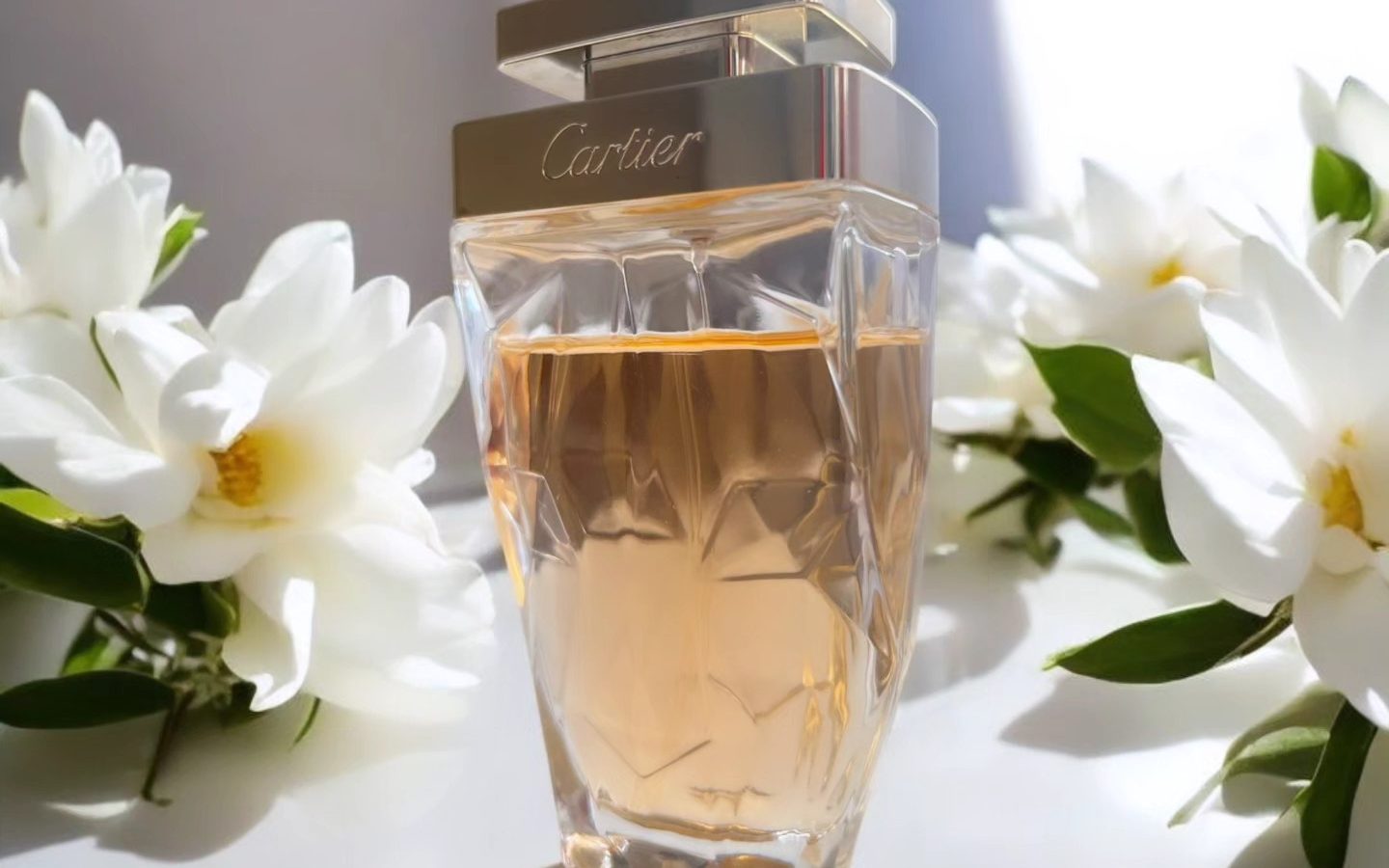
On scent, presence and the quiet art of being remembered.
There is a particular kind of perfume that doesn’t seem to arrive before you do. You notice it only when you come closer — a trace on a scarf, the warmth of skin, something left quietly in the air after someone has gone.
It doesn’t ask to be noticed. And perhaps that is precisely why it is.
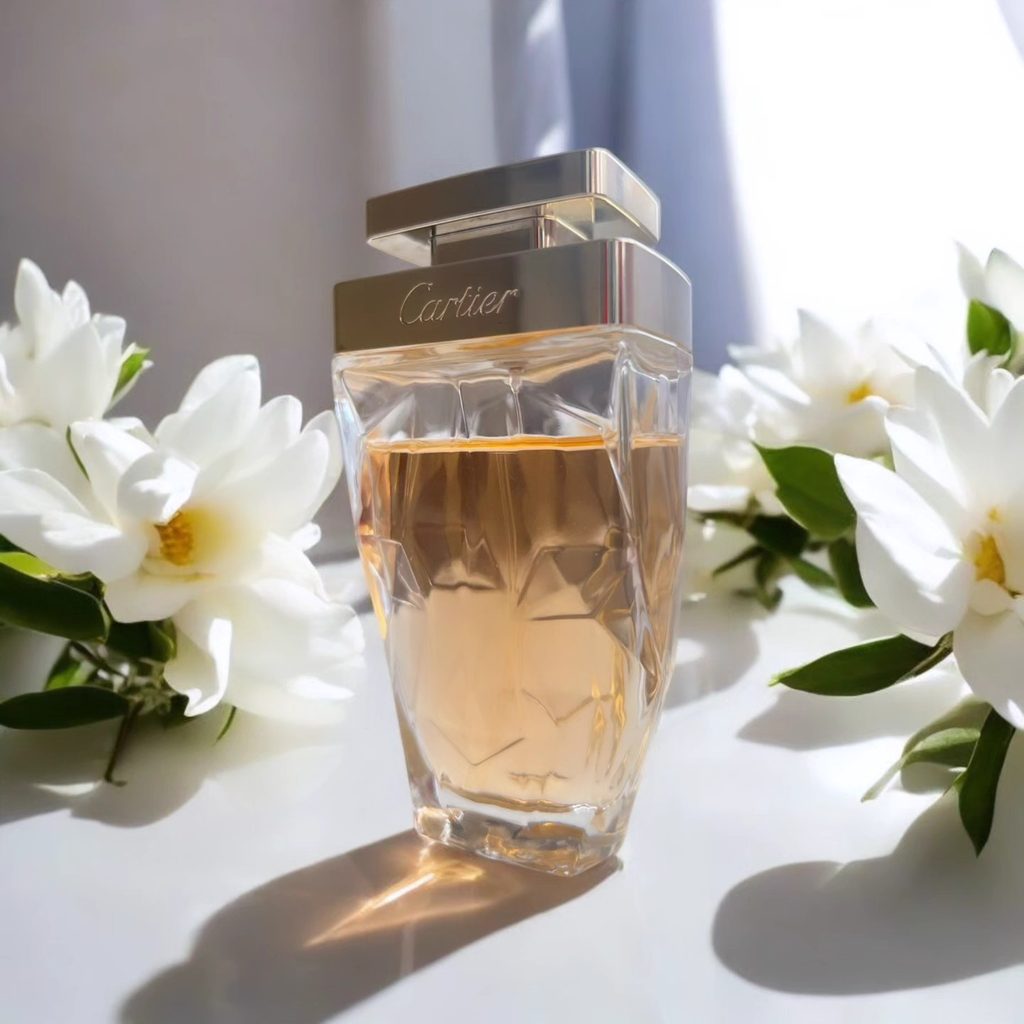
Perfume as presence
We often talk about perfume in terms of projection, longevity and performance. How far does it travel? How many hours does it last? Will other people notice it?
Useful questions, perhaps. But they can make us forget something more interesting: perfume was never only about being noticed.
Sometimes its most beautiful quality is the way it occupies the small distance between two people.
A fragrance discovered when someone leans closer. The faint scent caught in the collar of a coat. A pillow that still smells of the person who slept there. A scarf carrying a trace of perfume days after it was worn.
These are not grand entrances. They are small acts of presence.
And strangely, they are often the ones we remember.
The intimacy of a scent discovered slowly
There is something deeply personal about a perfume that refuses to announce everything at once.
It asks for proximity.
You have to come closer to understand it — close enough for the warmth of skin to matter, close enough for perfume and person to become difficult to separate.
Perhaps that is why quieter fragrances can feel so intimate. They do not create a cloud around the wearer so much as become part of them.
You remember not simply what perfume they wore, but how they smelled.
That distinction is small.
And enormous.
The difference between presence and volume
A perfume does not need to fill a room to have presence.
In fact, some of the most memorable fragrances seem to do the opposite. They stay close to the body, revealing themselves in movement — a turn of the head, the brush of a sleeve, the warmth rising from skin.
They appear, disappear, and return.
This kind of perfume leaves space around the person wearing it. It does not compete with conversation, dinner, the scent of a room or the person sitting beside you.
It simply belongs there.
Perhaps this is what we sometimes lose when we judge fragrance primarily by performance. We begin to confuse being detectable with being memorable.
They are not the same thing.
A trace can be more powerful than a cloud
There is something strangely compelling about catching the last remains of someone’s perfume.
On a coat left over a chair.
On a scarf.
In a room they have just left.
The person is no longer there, yet something of their presence remains.
Perfume is unusually good at doing this because scent and memory are so closely intertwined. A fragrance can disappear from conscious attention and then, unexpectedly, return years later with astonishing clarity.
Not as a list of notes.
As a person. A place. A moment.
And perhaps that is the more interesting kind of longevity.
Not how many hours a perfume survives on skin, but how long it survives in memory.
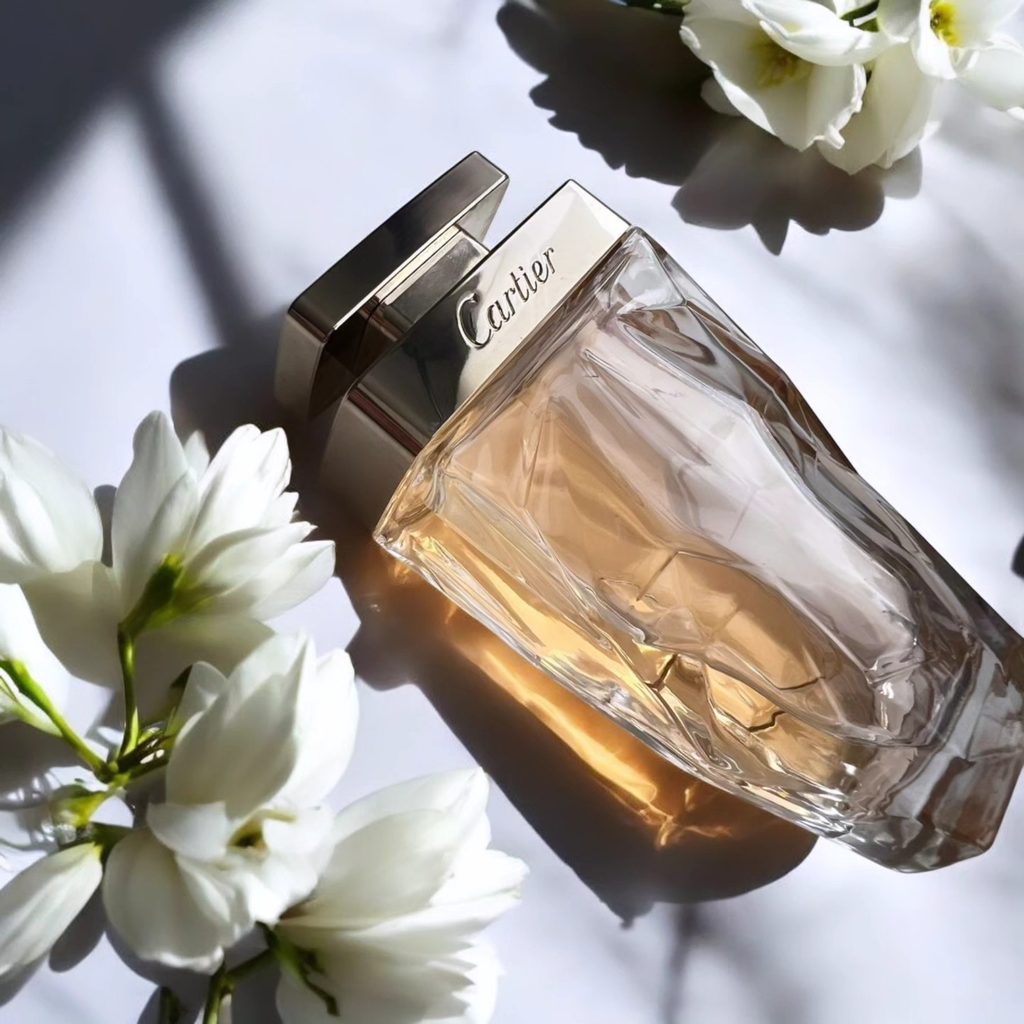
Perfume should leave a trace
There will always be a place for magnificent, expansive perfumes. Fragrance can be theatrical, extravagant and gloriously excessive.
But volume is not the only form of beauty.
Sometimes the perfume that stays closest creates the strongest pull.
It makes someone lean in.
It becomes entangled with skin, clothes and memory until it is difficult to tell where the fragrance ends and the person begins.
Perhaps perfume does not always need to announce that we have arrived.
Sometimes it is enough that, after we leave, something of us remains.